Utah Day 2
I'm going to try to post daily for this trip. In the context of showing you what I am photographing I want to do a couple of other things too. One is to speak about how these trips work, how my experience is my guide to know what to pack, where to stay, how to bring home meaningful pictures and how not to screw up.
This may sound like advice to photographers who take trips to photograph, and it is, but it will also address overall professionalism and the discipline that is entailed in making work that is first rate.
Gear: bring what you need and only what you need. Always travel as light as you can but don't leave crucial things out either. Don't bring stuff or lenses you won't use. Figure out some way to move your gear safely. I use a Think Tank rolling case and always bring it with me on the plane. I also bring two hard drives with me (one is now an SSD) and my laptop on the plane as well. As nice as it would be to not bring a tripod I always bring one and don't skimp on its quality (RRS carbon fiber and large ball head). This is so important. Nothing will help your work more than using a good tripod. And, oh yes, don't bring new equipment on a photo shoot trip unless you've throughly vetted and tested it before you leave.
Rent a car, unless you're staying in a city and shooting there. For this trip to Moab I rented a Jeep so that I could go on 4 wheel drive trails.
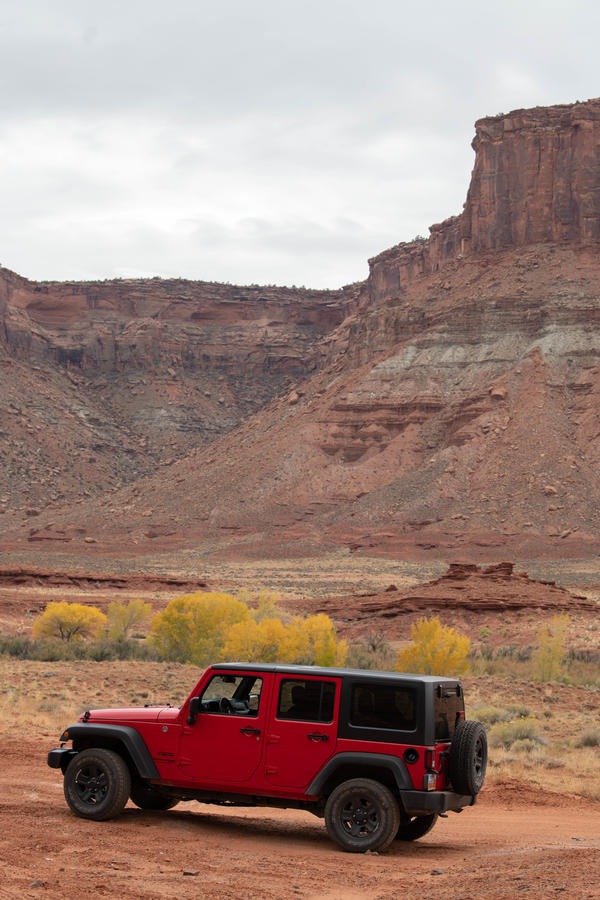
You should rent a vehicle that is suitable to the kind of driving and photographing you need to do. I used to advance reserve a white car so it would stay cooler when I shot film. Like that. Also, I like unobtrusive here, something that will fit in and not stand out.
Research your destination and then lodge as close as you can to that place. Whether a motel or AIRBNB-type lodging, it should be comfortable and a good place to crash after long days shooting and/or driving. We can't photograph all the time. What are you going to do with down times, bad weather, the wrong light? It's good to think of that in your planning. Another kind of trip is driving, shooting every day with a new place every night. Those are harder, of course, at least for me. I find I can get one thing done in that night's place, if I am lucky.
I use my destination as the hub of the wheel, and think of day trips from the hub as spokes. At times, I'll go farther from the hub and spend a night on the road. While I may have gone to an area for one thing I consider it my job to look elsewhere, to try to find other places to photograph. Stay flexible and creative. A trip like this is your chance to stretch, breath and experiment. There to make landscapes? What about a day at an amusement park, a subway ride to a different part of town, a ride up a chairlift, a Saturday flea market, etc.
If possible, plan the time of year and the kind of weather you're likely to encounter. When I fly to the Palouse to photograph the wheat fields I have to choose what stage the crops are at, where they are in relationship to harvesting. As a landscape photographer the time of year you go is the most important decision to make. Then, on any given day, blue skies and bright sunlight is hugely different than a cloudy day. For the most part, cloudy and flat is what I prefer for it allows longer days shooting, with less difference from am to pm and avoids the problems of shooting midday on sunny days when it is bright, harsh and not very pleasing. Flat light models form better without the deep holes of shadows. On the other hand, contrasty days can show depth better and can add drama to your photographs. Mostly, I don't care for spectacular light, highly dramatic scenes and honey highlights with the sun going down, although there are exceptions. My pictures are perhaps quieter and rely on intention more.
I look at shot files every evening when I download my files to my laptop. I then back those up to a second hard drive. I can then format the card, charge the camera battery and start fresh the next morning. Old habits die hard. I used to have to unload and load my 8 x 10 film holders every night or I couldn't photograph the next day.
What else? Mostly, I do these trips solo for I am there primarily to work. This is just me, but I am not particularly social or outgoing on these expeditions I take. I am shy yes, but I am also focused on an objective, to make the best work I know how to make. This takes concentration but also means I am a little single purpose, inside my own head. That makes it hard to relate to others, strike up a conversation or meet new people. That's okay. You may be different, or may want to do a trip like this with someone else, not me so much. My worst nightmare is to be in a group, standing in an epic location, all making the same photograph as if from a check list.
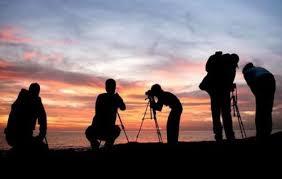
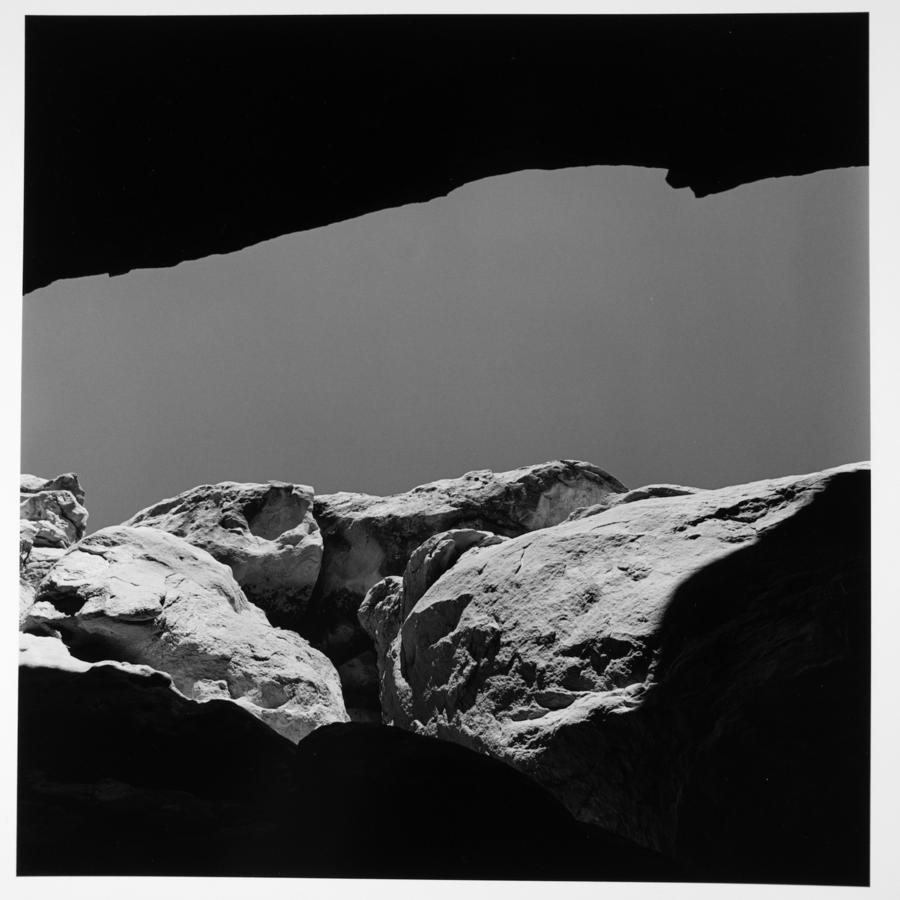
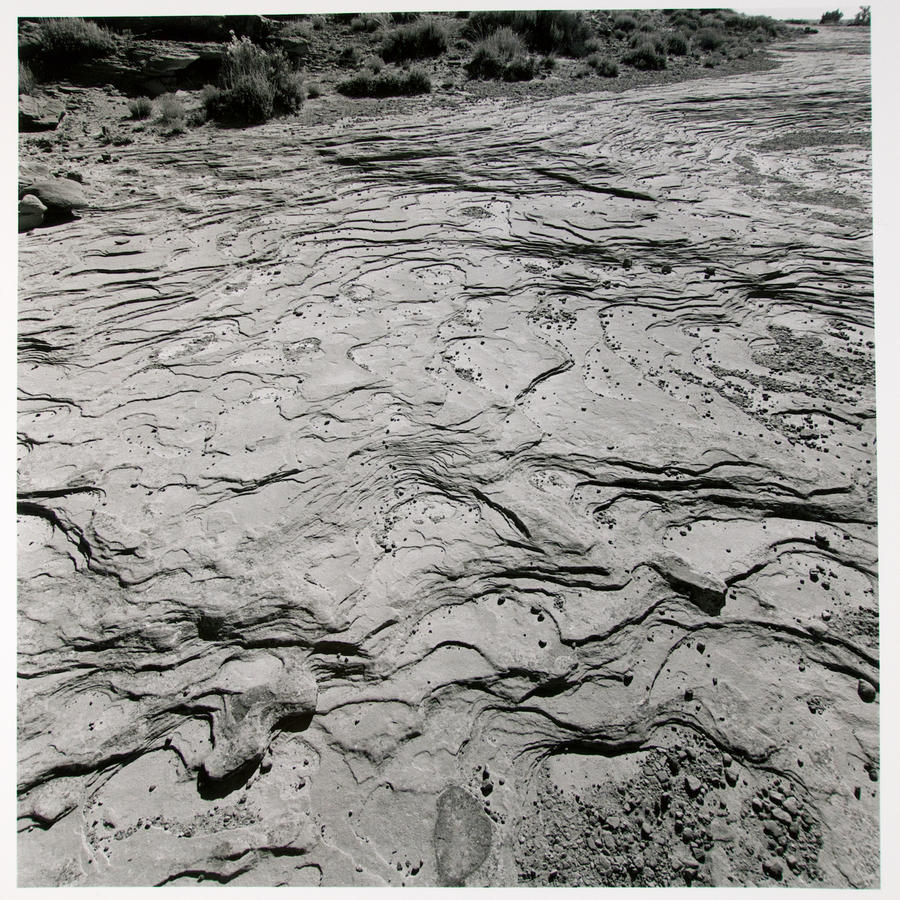
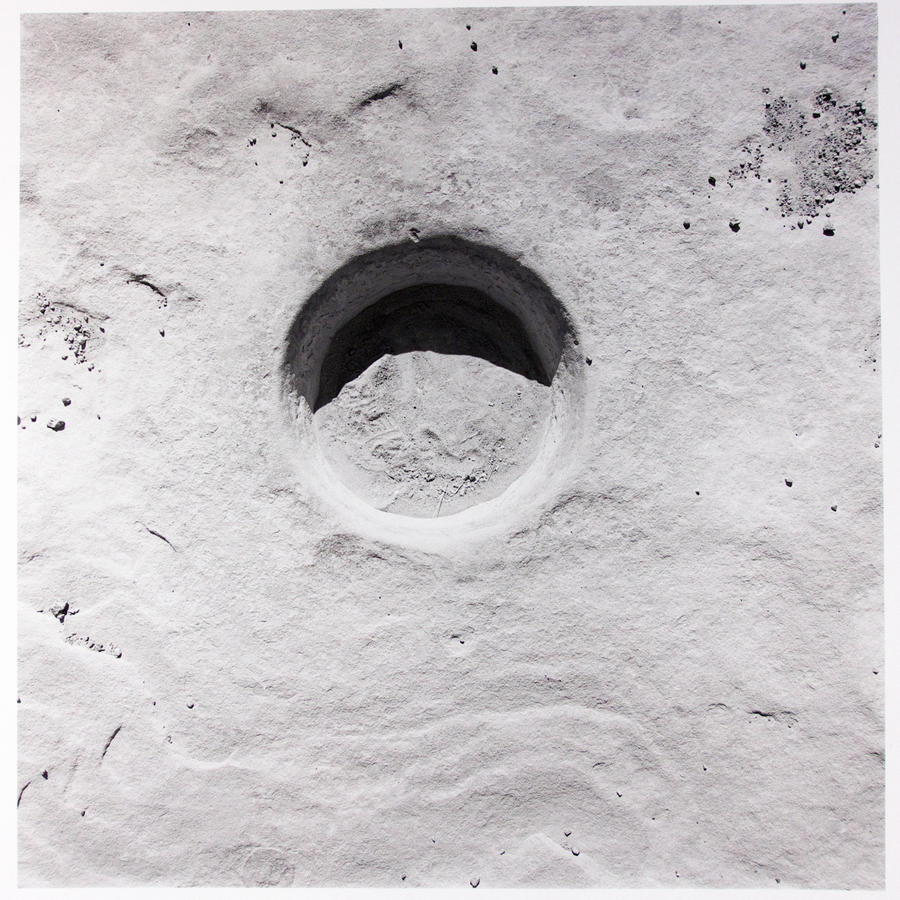
Last, days like these and the trip I am on now, days spent looking for and making photographs, can be as several days in one. At dawn, into something specific, the sun just touching the top, a break for breakfast or coffee, then driving, coming across something new, photographing that, from a long lens on a tripod reaching across a valley, to hand held with a wide lens and a higher ISO down a back alley in town, to some graffiti along the RR tracks, to some wild flowers in the grass of a rural cemetery. So amazing, this thing that has led me to a lifetime of discoveries, of a life rich with experiences and as rewarding as I could ever wish for. This, of course, is the foundation of the trip to make photographs. To be open to new experience, to be a clean slate to what is around the corner that you've never seen. To understand that it is up to you to make art from all this, there for you to figure out the puzzle, to work with it in sympathy for all it has to offer, to coerce meaning from the banal and ordinary. To make special that which is not.
I leave next for Hanksville for one night, then back to Moab for several more. Weather's been good so far, flat and not too cold, with little wind. So far wonderful.
Related series
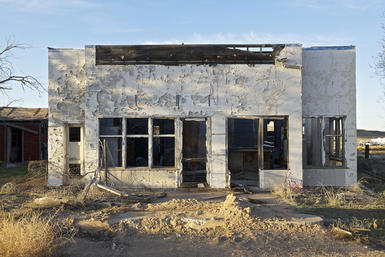
Thompson Spring, Utah 2010
Thompson Spring, Utah sits about a mile off Interstate 70 an hour so from Moab. I made these one early morning in March of 2010. Although much more current and using a digital camera, these stem from a way of working begun with the Nantucket pictures I made in 1981, my first series. I made these pictures over a couple of hours, walking, looking, concentrating on trying to get pictures to relate to eachother. I've learned this way of working is as much about what you don't photograph as what you do. I also know I have to make about three or four times more pictures than what I'll use in the end. Usually this kind of series starts at the beginnng of my photographing and ends when I finish. But not always.
Thompson Spring looks like it is abandoned but if you look closely in some of the pictures you can see trailers in the background. With the land the cheapest thing available it must have been easier to leave these old decaying homes and buildings behind and just set up a trailer or double wide nearby.
Related blog posts
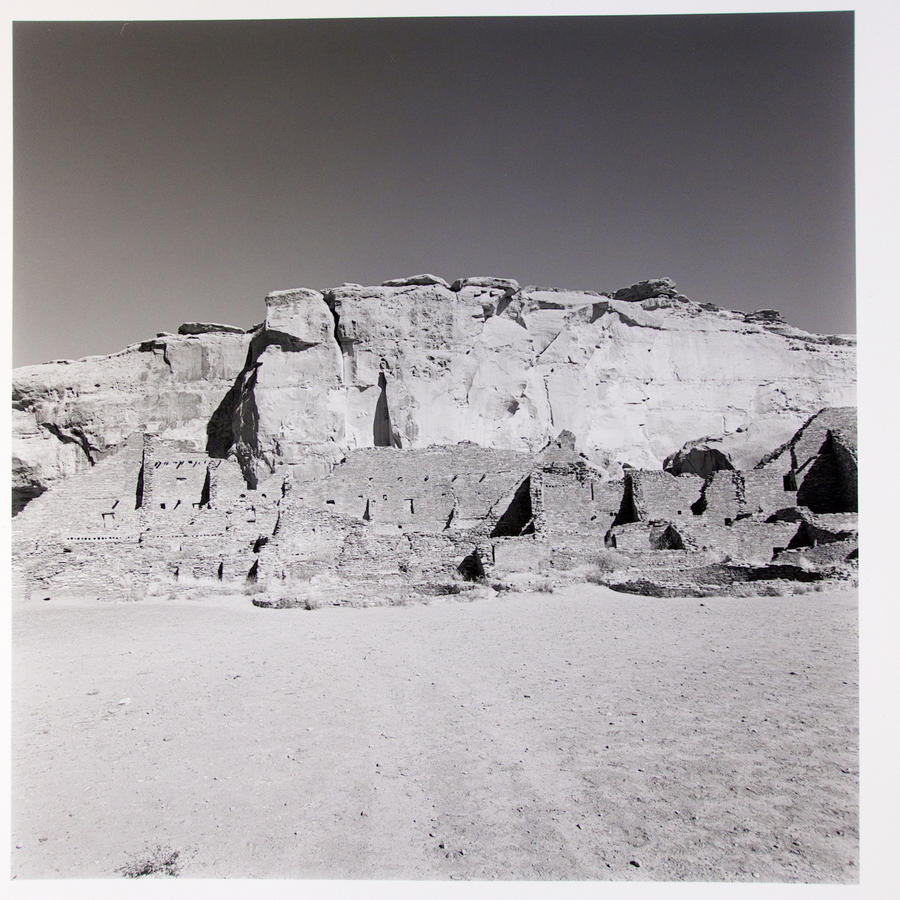 My series starts off with this one of the large great house called Chetro Ketl, but quickly leaves it as I headed up a trail that carves through the cliff face to arrive at the top looking out on the canyon below and the plateau above it.
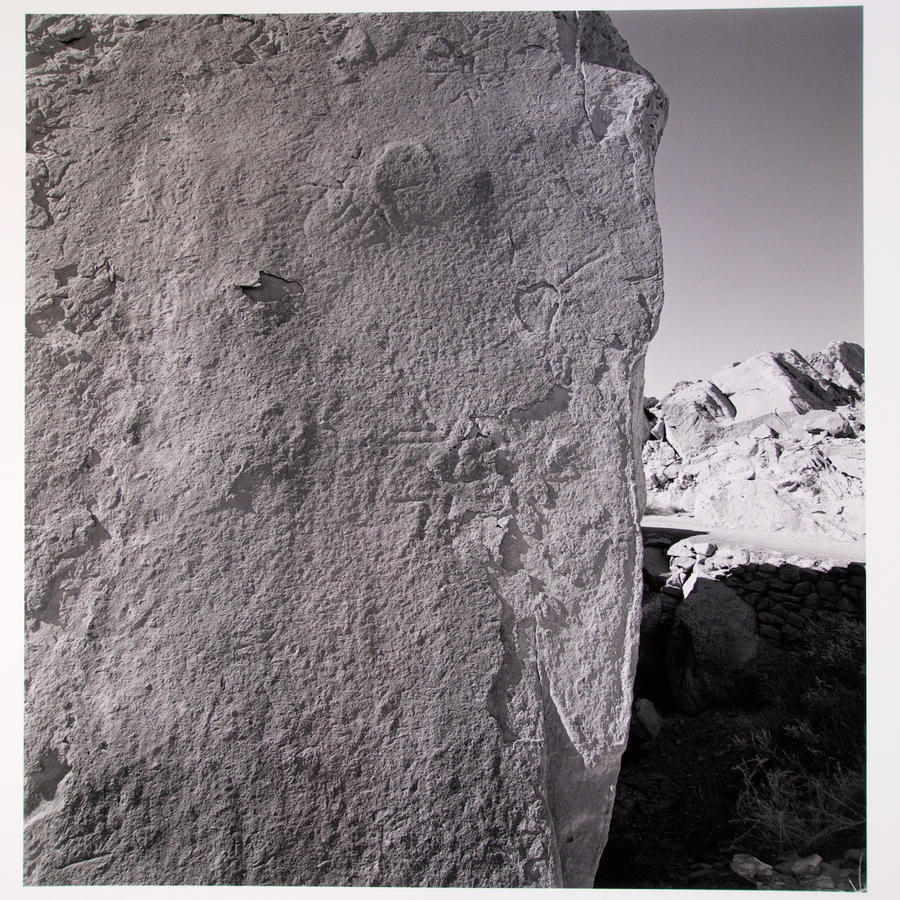 Petroglyphs are common here.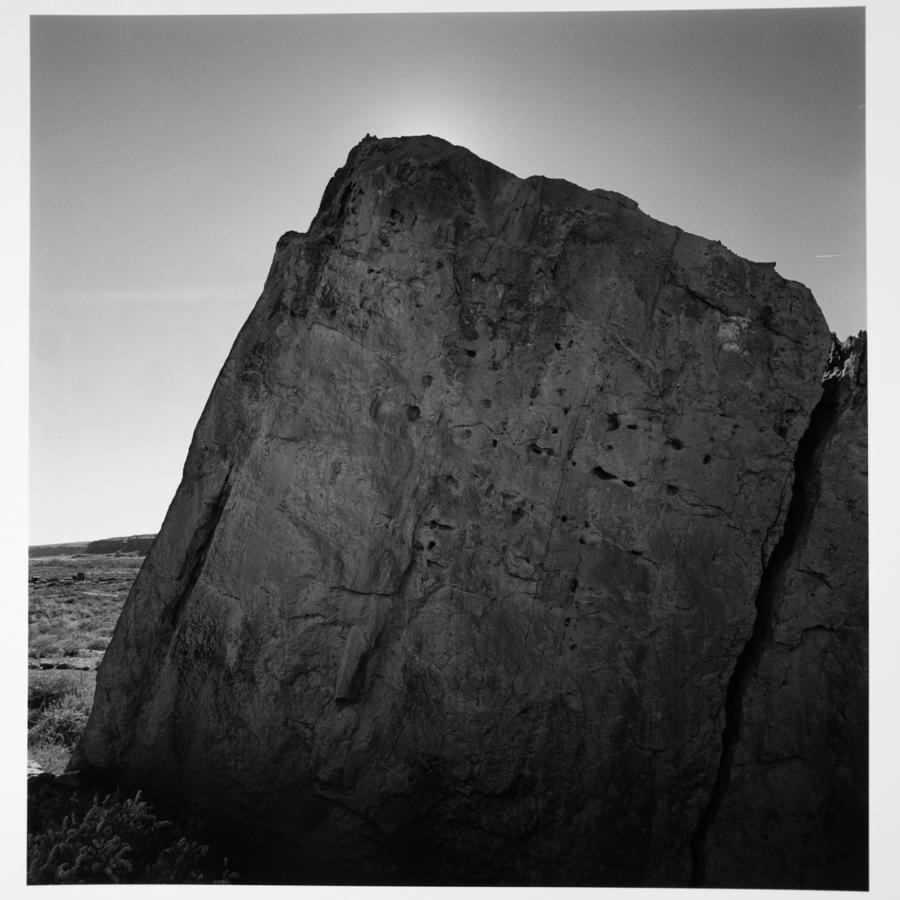
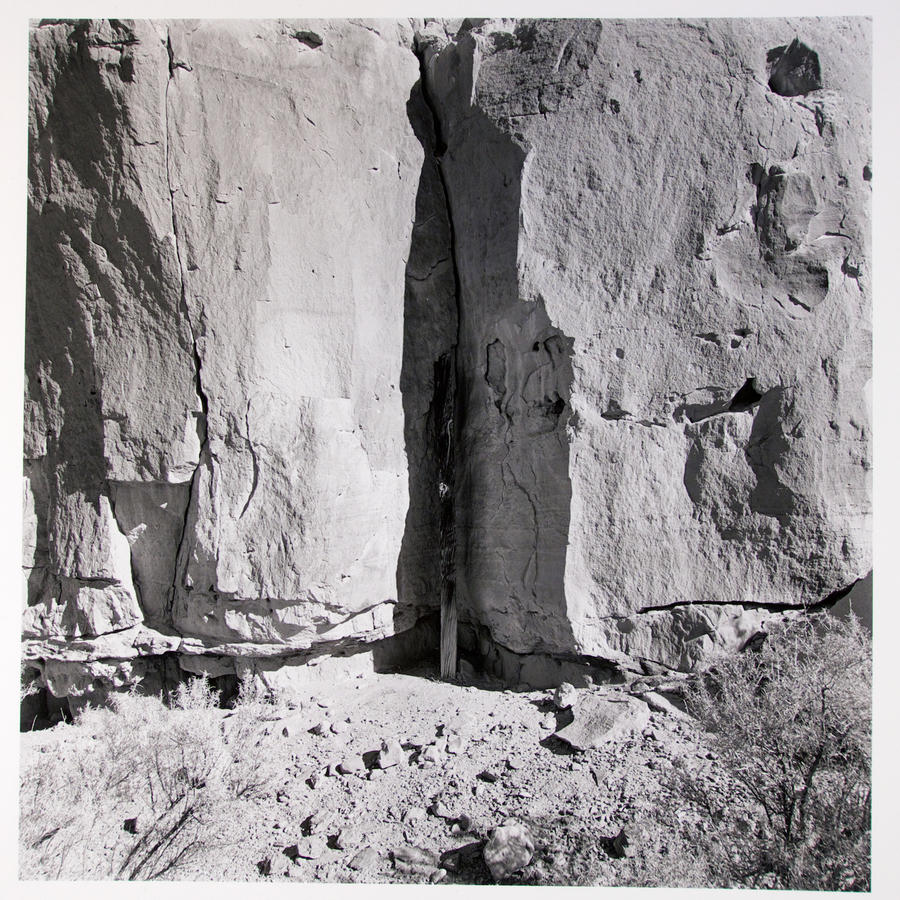
 Verdant, lush, sumptuous, exotic, garden-of-Eden green interspersed with black bark trees in amazing shapes. Aaron Siskind used to go back and back to Spain almost every year to shoot olive trees and I have been returning to the Palouse wheat field country in SE Washington for twenty years.
 Okay. Hold it. Enough hyperbole here. Come on back to earth because there is something wrong. Shot these in 2005, right? They were digital? Where was digital in 2005? Not good. These were made with a Nikon D70, a 6 mp small chip camera which was sort of a "pretender" camera. It looked like a camera, felt like a camera, had lenses like a camera, but it didn't take pictures like any camera I'


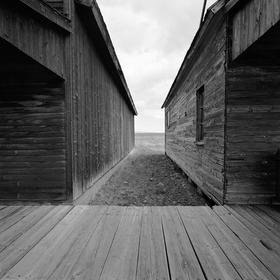

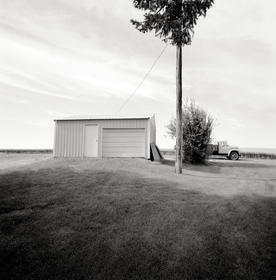
 There is another piece to the components of this series and it is logistical. Webster, NH is about 1 1/2 hours from home in Cambridge. Often the pictures were made on Sunday mornings, when traffic was light and I had a free day or even a morning.
 This was the kind of series where I might get one or two each time I'd photograph there. Of course, I would make more than that, but would end up using only at most a couple from each shoot.
  Blackwater Dam is a series caught in transition. While all made on film, the prints sit on two sides of the digital divide. I made many conventionally as back and white selenium toned 16 x 20 inch prints in the darkroom, just as I had for years. But by 2003 I no longer even had a darkroom as I had given it up at Northeastern to create a student computer lab. So the full set of prints are made as inkjet prints and are larger at about 30 inches across than I could make in my darkroom, even if I still had it.
  I still remember standing in front of this and watching in wonder at the silent force of the river's current slowly pivoting this large circle of ice around and around. A remarkable sight and, as far as I know, I was its only witness.